

Many people return from vacation feeling like they need another one. The trip was full, the days were packed, and somewhere between the itinerary and the travel home, real rest never quite happened. This is more common than it sounds.
Learning how to rest on vacation is not about doing less for the sake of it. Rather, it is about understanding what actually restores you — and giving yourself permission to prioritize that, even when everything around you is pulling toward activity.
Why Vacation Does Not Always Mean Rest
There is a version of vacation that looks a lot like regular life with a different backdrop. The schedule stays full. The phone stays close. The pressure to make the most of every moment quietly replaces the pressure to be productive at work.
This happens because the habits and rhythms we carry into daily life tend to follow us. If slowing down feels uncomfortable at home, it will likely feel uncomfortable on a beach or in a mountain town too. The setting changes, but the internal pattern does not — at least not automatically.
Decide What Rest Actually Means for You
Before a trip, it is worth asking a simple question: what do I actually need from this time? The answer is different for everyone. Some people feel restored by movement and adventure. Others need long unstructured days with very little planned. Many need some combination of both.
Trouble often starts when vacation is planned around what looks good or what feels expected rather than what genuinely restores you. A packed itinerary might feel exciting in theory. However, if what you actually need is stillness, no amount of beautiful destinations will deliver it.
Give Yourself at Least One Unplanned Day
One of the simplest ways to build real rest into a trip is to leave at least one day without plans. No reservations, no scheduled activities, no list of things to see. Just time to move through the day based on how you feel when you wake up.
This can feel uncomfortable at first, especially for people who tend to plan carefully. Yet unplanned time is often where the most restorative moments happen — a slow breakfast that stretches into the morning, a walk that leads somewhere unexpected, an afternoon nap that was not on any itinerary.
Let Yourself Be Bored
Boredom on vacation is not a failure. In fact, it is often a sign that you have slowed down enough for real rest to begin. The restless, slightly uncomfortable feeling of having nothing urgent to do is frequently the first stage of genuine relaxation.
Most people never get there because they fill that space before it has a chance to settle. Instead, try staying with the boredom for a little while. Sit with it. Let it pass on its own. What often follows is a quieter, more easeful state that is hard to reach any other way.
Set a Boundary With Your Phone
Few things interrupt vacation rest more reliably than a phone that stays in constant use. Even when work is technically off, the habit of checking — news, social media, messages — keeps the nervous system in a low-level state of alert.
Consider setting a specific window each day when you check your phone and leaving it alone outside of that time. Even a partial boundary can make a noticeable difference in how rested you feel by the end of the day. The goal is not to be unreachable. It is simply to give your mind extended stretches without input.
Pay Attention to Your Body
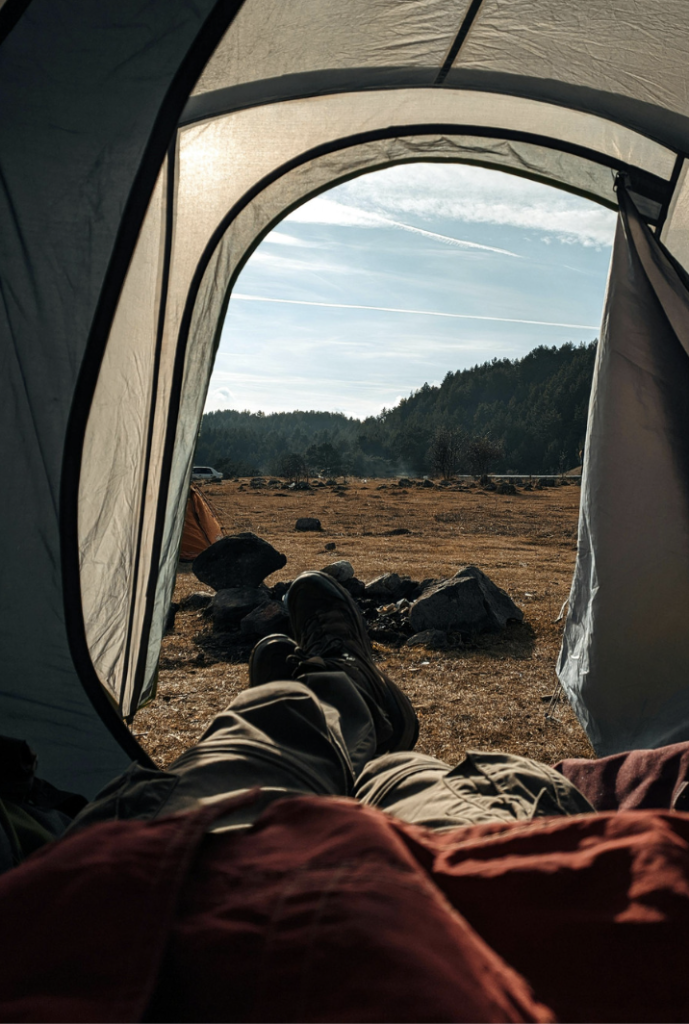
Vacation is a good time to reconnect with what your body is actually asking for. Sleep when you are tired rather than pushing through. Eat when you are hungry rather than on a schedule. Move in ways that feel good rather than ways that feel obligatory.
This kind of attentiveness is easy to lose during regular life, when demands and routines tend to override physical cues. Slowing down enough to notice and respond to what your body needs is, in itself, a form of rest that goes beyond sleep or stillness.
Bring Something of the Vacation Home
Real rest tends to have a lasting quality when something from the experience is carried back into daily life. This does not mean recreating a vacation at home. It means noticing what felt most restorative — the slower mornings, the time without a schedule, the long walks — and finding small ways to protect some of that going forward.
For many people, vacation reveals what is missing from ordinary life. That information is worth paying attention to. Sometimes the most valuable thing a trip offers is not the destination itself, but a clearer sense of what you actually need to feel well.
If you find that rest consistently feels out of reach — on vacation or at home — that is worth exploring. Therapy can offer a supportive space to understand what gets in the way and to build rhythms that genuinely restore you.
You can learn more about therapy and support services at Psychedelic Therapy Denver, or explore whether a group journey experience might feel like the right next step.
If you are ready to explore psychedelic therapy with professional support, schedule a free consultation with Psychedelic Therapy Denver today.