

Spring and summer offer a natural invitation to slow down and reconnect with ourselves. As the days get longer and the weather warms, many people feel a subtle shift in their energy. After months of colder weather and shorter days, there is often a natural urge to get outside, move more, and reconnect with activities that bring a sense of ease.
For many adults, however, relaxation and play can feel surprisingly difficult. We are often used to measuring our time by productivity — tasks completed, goals achieved, problems solved. Even our free time can start to feel structured and purposeful. When life moves at that pace for long periods, it can become easy to forget that rest and play are essential parts of mental health.
Spring and summer can be a gentle reminder that life is not only about doing more. It is also about allowing space to enjoy where we are.
Why Play Matters for Mental Health
Play is often associated with childhood, but it remains an important part of adult well-being. Research in psychology and neuroscience shows that playful activities help regulate the nervous system, reduce stress, and improve emotional resilience.
When we engage in play, our brains shift out of constant problem-solving mode. Activities that are enjoyable, curious, or creative help activate different neural pathways associated with relaxation, connection, and learning.
For adults, play does not always look the same as it did when we were younger. Instead of playground games or imagination-based activities, adult play often shows up in different forms:
- Trying a new hobby
- Exploring a new place
- Creating something with your hands
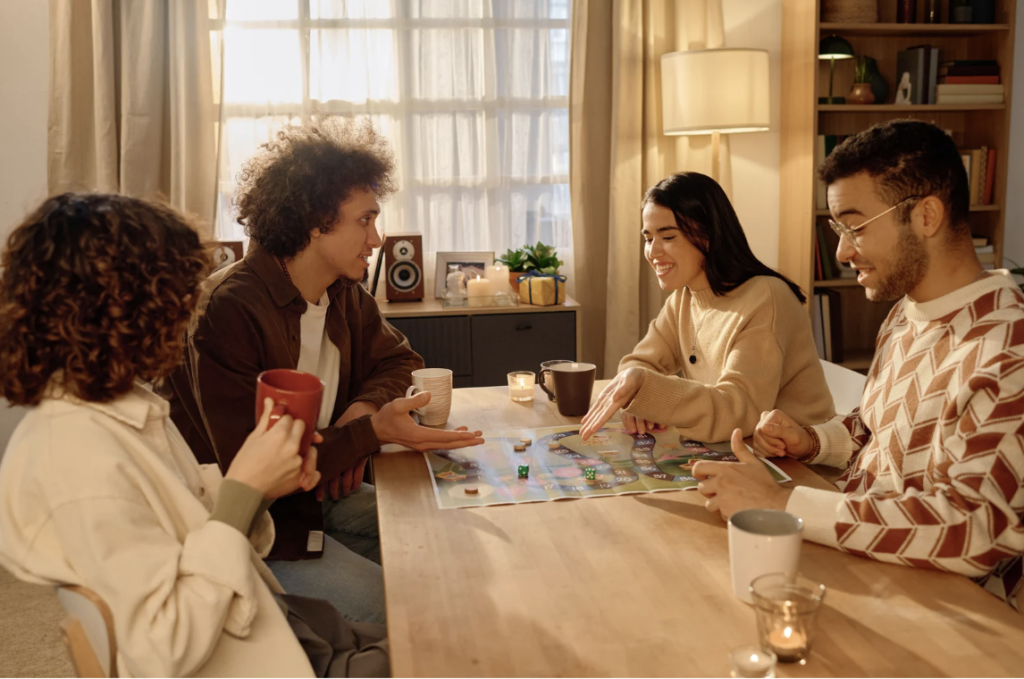
- Spending relaxed time with friends
- Engaging in movement that feels enjoyable rather than demanding
The key element is not the activity itself. It is the mindset of curiosity, enjoyment, and presence.
Relaxation Supports the Nervous System
Many people today live with a nervous system that is constantly activated. Work responsibilities, family obligations, and the pace of modern life can keep us in a state of ongoing stress without realizing it.
Relaxation is not simply a luxury or a reward for finishing everything on a to-do list. It is an important part of nervous system regulation.
Activities that allow the body and mind to slow down can help shift us out of a stress response and into a more balanced state. These moments might be simple:
- Sitting outside in the sun
- Taking a slow walk without tracking steps
- Reading a book purely for enjoyment
- Spending time with friends without an agenda
- Listening to music and allowing yourself to unwind
Small moments of relaxation throughout the week can make a meaningful difference in how we experience stress and emotional overwhelm.
Mindfulness in Everyday Life
Mindfulness does not always require a formal meditation practice. While meditation can certainly be helpful, mindfulness can also emerge through ordinary experiences.
Being mindful simply means bringing attention to what is happening in the present moment.
In the warmer months, this might look like noticing the warmth of the sun on your skin, hearing birds in the morning, or feeling the breeze during an evening walk. These small sensory experiences can help ground the mind and create a sense of calm.
Mindfulness works best when it feels natural rather than forced. It can arise during moments of play, relaxation, or simple daily activities.
A Summer of Small Experiments
Over the coming weeks, we will be sharing short reflections and ideas focused on play, relaxation, and mindfulness. These are not meant to be rigid practices or expectations. Instead, they are small invitations to experiment with what helps you feel more present and at ease.
Some ideas may resonate with you right away. Others may not fit your current season of life. The goal is not to try everything. It is simply to explore.
You might discover a new hobby that sparks curiosity. You might reconnect with a creative activity you once loved. Or you might simply find that giving yourself permission to rest feels surprisingly restorative.
Play, relaxation, and mindfulness are not things we “complete.” They are practices we return to again and again.
As we move through the warmer months, consider allowing yourself a little more space for enjoyment, curiosity, and rest. Sometimes the most meaningful shifts in well-being begin with small moments of play.