
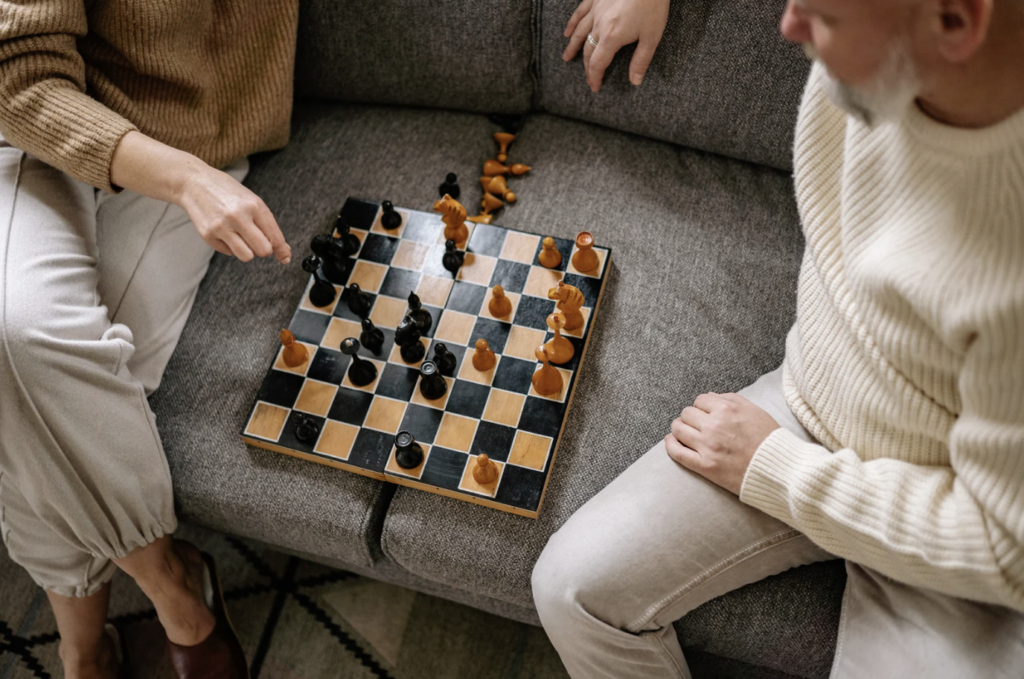
This article is part of our Play, Relaxation, and Mindfulness Summer Series, where we explore small ways to slow down and reconnect with yourself during the warmer months.
If you are new to the series, you can start with the main guide:
A Season for Play, Relaxation, and Mindfulness.
When we think about play, most people imagine childhood.
Children build things, invent games, explore their surroundings, and follow curiosity wherever it leads. Play is a natural part of how they learn and experience the world.
But something interesting happens as we grow older. Play does not disappear — it simply changes its name.
Many ways adults play are hidden inside activities we describe as hobbies, projects, or personal interests.
Play Does Not Disappear in Adulthood
Adults often think of play as something they have outgrown, but the truth is that the desire to explore and create never fully goes away.
Instead of playground games or imaginary worlds, adult play often appears in more structured or purposeful forms. We build things, restore things, collect things, and learn new skills.
These activities may look productive on the surface, but they often contain the same elements that made childhood play so enjoyable: curiosity, creativity, and experimentation.
When adults engage in these kinds of activities, the brain shifts out of constant problem-solving mode and into a more relaxed and exploratory state.
Building and Creating
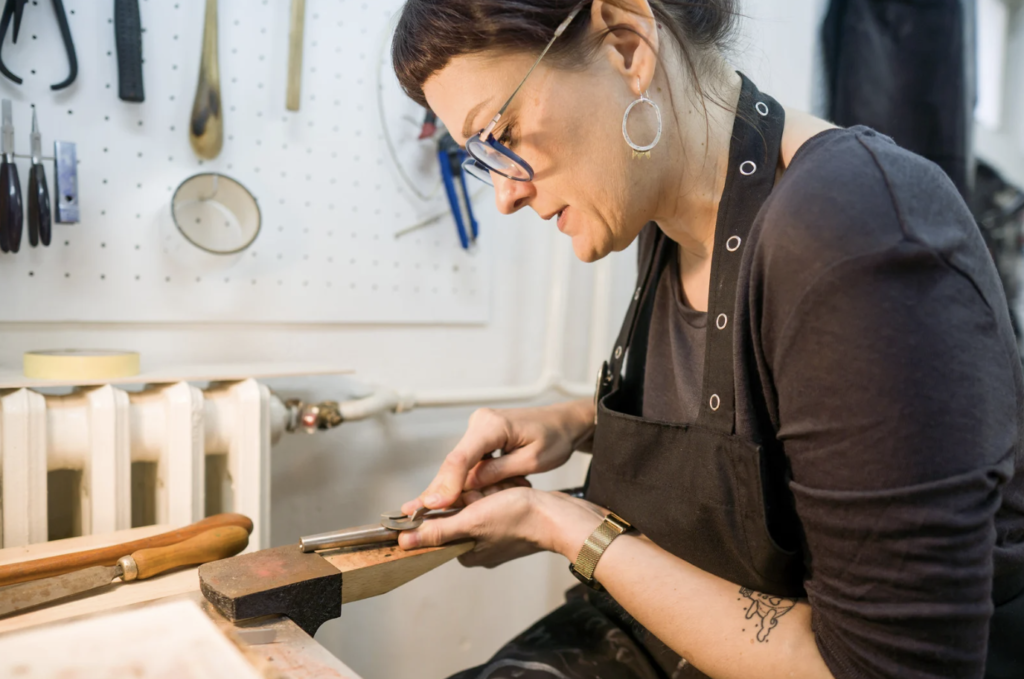
Many adults rediscover play through building or making things with their hands.
This might mean building a raised garden bed, assembling furniture, or working on a small home project. Others enjoy creative activities such as painting, writing, photography, or crafting.
These activities allow people to focus deeply on a process rather than a specific outcome.
The satisfaction often comes from the act of creating something new.
Collecting and Exploring Interests
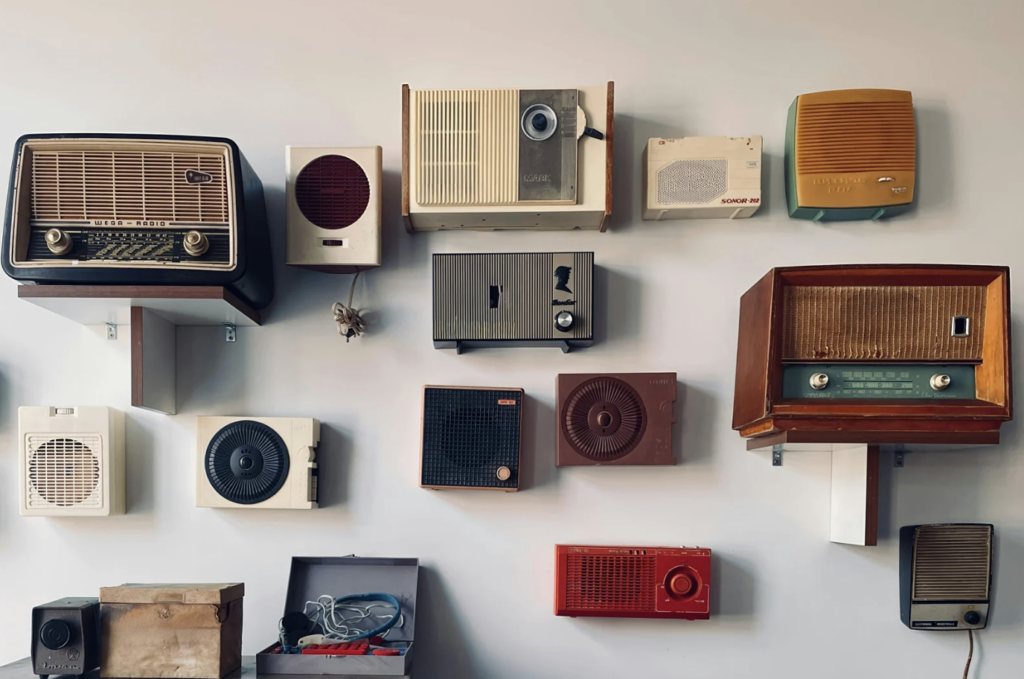
Another common way adults play is through collecting or exploring niche interests.
Some people collect vinyl records, houseplants, vintage cookbooks, or interesting objects from their travels. Others enjoy learning about new topics, researching hobbies, or discovering new music and art.
Collecting is often driven by curiosity and appreciation. It allows people to build a personal world of interests that reflects what they enjoy.
Restoring and Improving
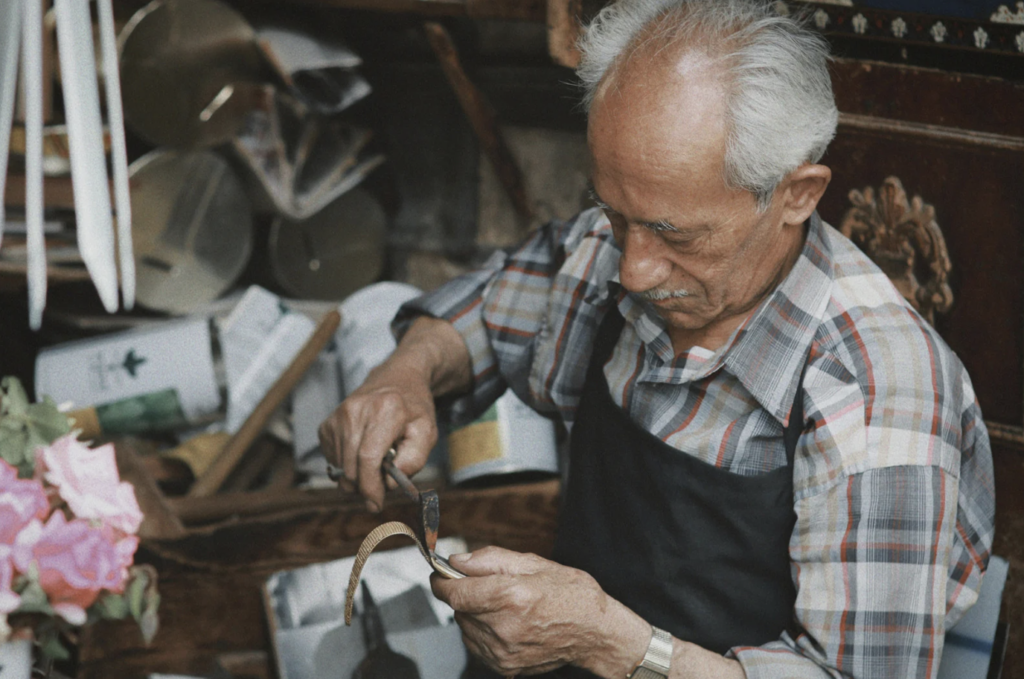
Many adults also experience play through restoration and improvement projects.
Refinishing an old piece of furniture, restoring a bicycle, fixing up a car, or slowly transforming a living space can feel deeply satisfying.
These activities combine creativity with problem solving, which can make them especially engaging.
Rather than feeling like work, they often feel like meaningful personal projects.
Gathering and Shared Activities

Play also appears in the ways adults gather with others.
Hosting dinners, organizing game nights, exploring new restaurants, or trying new activities with friends all contain elements of play. These experiences combine social connection with exploration and enjoyment.
For many people, these shared moments help balance the demands of everyday life.
They also create space to step away from the stress that sometimes contributes to emotional overwhelm.
Why Play Still Matters
Even though adult play looks different from childhood play, its benefits remain just as important.
Activities driven by curiosity and enjoyment help regulate the nervous system, support creativity, and improve overall mental well-being.
They remind us that life does not need to revolve entirely around productivity.
In some forms of personal growth and therapeutic work — including approaches where psychedelic therapy can support emotional healing — curiosity and exploration are often key elements of the healing process.
Play reconnects us with that same sense of openness.
Rediscovering Play in Everyday Life
You do not need to dramatically change your lifestyle to rediscover how to play as an adult.
Sometimes it simply means noticing the activities that naturally spark your curiosity.
You might start a small project, learn a new skill, or explore a hobby that has always interested you. These moments of curiosity can bring energy and enjoyment back into everyday life.
Play never really disappears. It simply evolves into new forms.
The question is not whether adults still play — it is how we allow ourselves to do it.