
This article is part of our Play, Relaxation, and Mindfulness Summer Series, where we explore small ways to slow down and reconnect with yourself during the warmer months.
If you are new to the series, you can start with the main guide:
A Season for Play, Relaxation, and Mindfulness.
If you would like to learn more about the concept behind this idea, you can read Parallel Play for Couples: Being Together Without Pressure (Part 1).
In Part 1, we explored how parallel play can strengthen relationships by allowing couples to spend time together without pressure or performance. In this article, we will look at simple examples of parallel play for couples that can naturally fit into everyday life.
Parallel play does not require a special activity or elaborate planning. In most cases, it simply means sharing space while each partner focuses on something they enjoy.
Parallel Play at Home
Home is often the easiest place to experiment with parallel play.
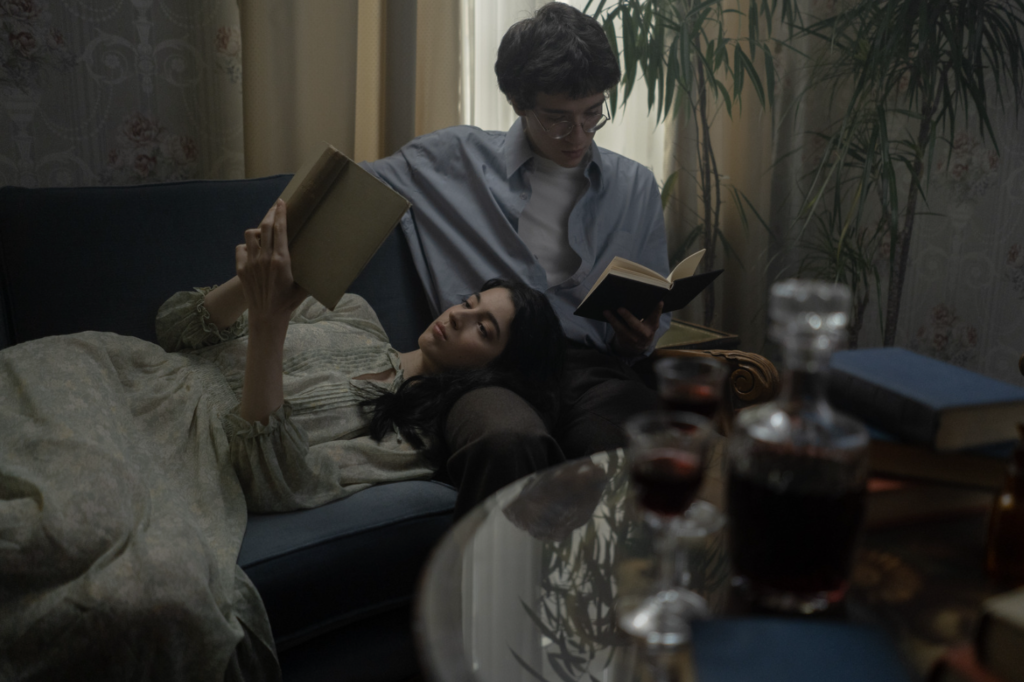
One partner might cook dinner while the other sits at the kitchen table reading or planning the week. One person might work on a puzzle while the other journals or sketches nearby. Even simple routines like drinking coffee in the morning while each person reads or scrolls through a book or magazine can create this kind of shared space.
The goal is not to constantly interact, but to feel comfortable existing side by side.
These moments allow couples to feel connected without needing to fill the space with conversation or structured activities.
Parallel Play Through Home Projects
Household projects can also create natural opportunities for parallel play.
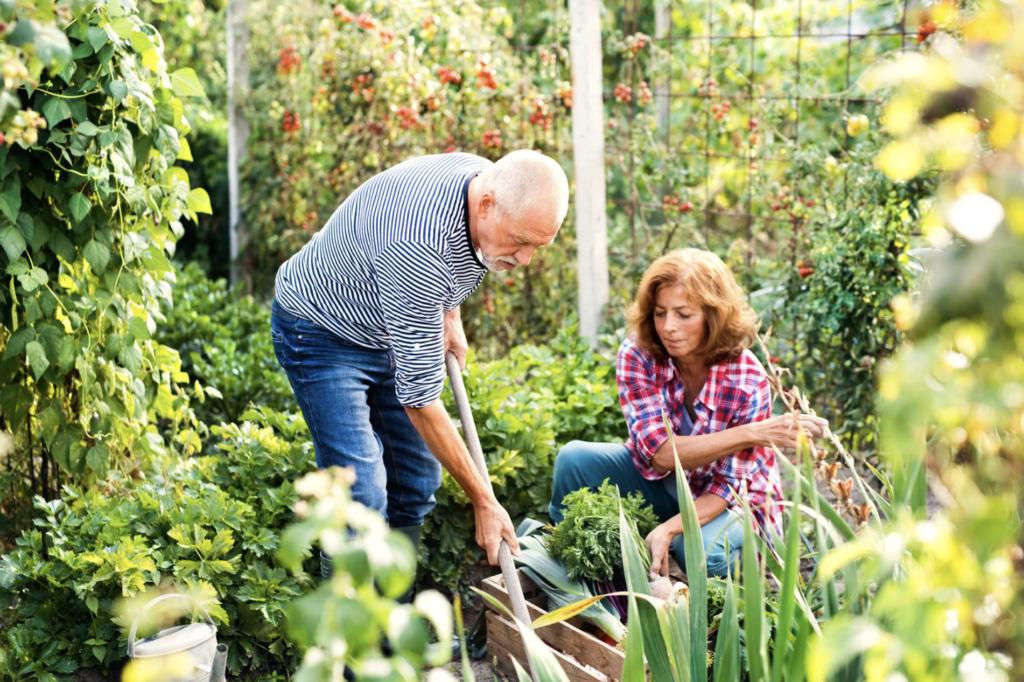
One partner might work in the garden while the other organizes tools in the garage. One person might mow the lawn while the other plants flowers or waters the yard. Inside the house, one partner might repaint a room while the other works on a small project or rearranges furniture.
These activities allow couples to share the same environment while focusing on their own tasks.
Instead of feeling like chores, these moments can become a relaxed way to spend time together.
Creative Parallel Play
Creative activities are another natural setting for parallel play.
One partner might write or journal while the other paints or sketches. Some couples enjoy sitting at the same table while one person builds with Lego or completes a puzzle while the other works on a craft project.
Creative environments tend to encourage focus and calm, which can make these moments feel especially grounding.
Rather than competing for attention, both people are absorbed in their own creative process.
Relaxing Side by Side
Parallel play can also happen during quiet moments of rest.
One partner might read while the other listens to music. One person might stretch or practice yoga while the other relaxes on the couch with a book. Sitting outside together in the evening while each person unwinds in their own way can create a strong sense of shared presence.
These quieter moments often help couples decompress after busy days.
For many people, this kind of calm shared space can also help prevent the kind of stress that contributes to emotional overwhelm.
Shared Space Without Pressure
Parallel play reminds couples that connection does not always require elaborate plans or constant conversation.
Simply sharing space with someone you trust can create a strong sense of comfort and companionship.
When both partners feel free to pursue their own interests while remaining close to one another, the relationship often feels more relaxed and natural.
Sometimes the most meaningful moments together are the quiet ones—two people in the same space, each doing their own thing, but enjoying the presence of the other.