

This article is part of our Play, Relaxation, and Mindfulness Summer Series, where we explore small ways to slow down and reconnect with yourself during the warmer months.
If you are new to the series, you can start with the main guide:
A Season for Play, Relaxation, and Mindfulness.
If you are interested in how this idea works with children, you can also explore Parallel Play With Children (Part 1) and Parallel Play Examples With Children (Part 2).
Most couples think of connection as something that requires shared activities—date nights, conversations, or planned experiences together. While those moments are important, they are not the only way relationships grow.
Another quieter form of connection is something often called parallel play for couples.
Instead of doing the same activity together, both partners spend time in the same space while each focuses on their own activity. You might read while your partner cooks, work on separate creative projects, or relax side by side after a long day.
You are together, but not performing for one another.
For many couples, this style of shared time can feel surprisingly grounding.
What Is Parallel Play for Couples?
The idea of parallel play originally comes from childhood development. It describes a stage when children play near one another without directly coordinating their activities.
Adults can benefit from a similar dynamic.
In relationships, parallel play means sharing space without needing to constantly interact. Each person remains engaged in their own interest while still enjoying the presence of the other.
There may be small moments of conversation or interaction, but the focus is not on structured engagement.
Instead, the emphasis is on relaxed presence.
Why Parallel Play Strengthens Relationships
Modern life can make relationships feel like another item on the to-do list. Couples often feel pressure to schedule quality time, maintain meaningful conversations, and keep connection strong even when life becomes busy.
While these efforts are valuable, they can sometimes add pressure.
Parallel play offers a different rhythm. It allows couples to spend time together without needing to entertain one another.
This kind of relaxed presence can reduce the stress that sometimes contributes to emotional overwhelm in relationships.
When two people share space comfortably, it reinforces a sense of safety and companionship.
The Power of Quiet Connection
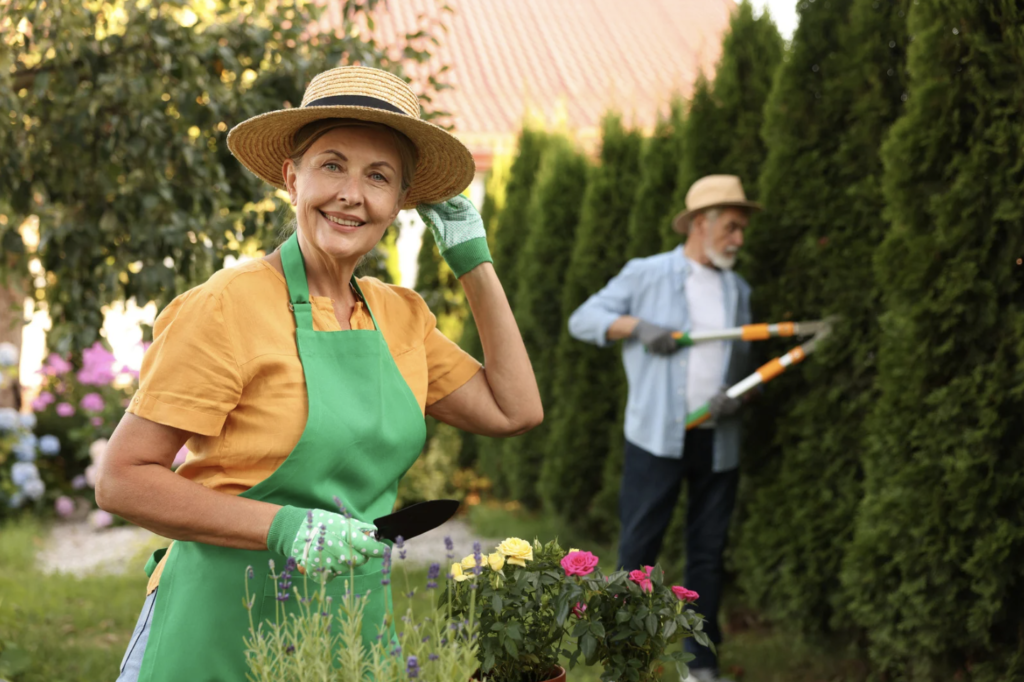
Many couples discover that some of their most meaningful moments happen during ordinary activities.
Cooking dinner in the same kitchen. Sitting together while each person reads. Working on separate hobbies in the same room.
These experiences may not look like traditional “quality time,” but they often create a strong sense of connection.
Being able to share space comfortably without constant conversation is a sign of emotional safety in a relationship.
It allows both people to relax and simply be themselves.
A Different Way to Think About Togetherness
Healthy relationships do not always require constant interaction. Sometimes the most restorative form of connection is simply sharing space with someone you trust.
Parallel play allows couples to remain close while also maintaining independence. It supports both companionship and personal space at the same time.
In Part 2, we will explore practical examples of parallel play for couples, including simple ways partners can create relaxed shared time at home and in everyday life.