
This article is part of our Play, Relaxation, and Mindfulness Summer Series, where we explore small ways to slow down and reconnect with yourself during the warmer months.
If you are new to the series, you can start with the main guide:
A Season for Play, Relaxation, and Mindfulness.
Many adults have a hard time simply being entertained.
Even during downtime, it can feel like we should be doing something productive. Watching a show becomes multitasking. Listening to music becomes background noise. Reading becomes something we try to optimize or learn from.
Over time, it can feel like every activity needs to serve a purpose.
This is one reason the importance of entertainment for mental health is often overlooked. Being entertained is not just passive—it can be restorative.
Sometimes the most helpful thing you can do is allow yourself to receive an experience without needing to improve it or learn from it.
Why Being Entertained Feels Difficult
Many people have internalized the idea that time should always be used efficiently.
When we are not working, improving, or accomplishing something, it can feel like we are wasting time. This mindset can make it difficult to relax fully, even during moments that are meant to be enjoyable.
As a result, entertainment often becomes secondary or filled with distraction.
Instead of being immersed in an experience, attention is divided.
How Entertainment Supports the Nervous System
Being entertained allows the nervous system to shift out of effort mode.
When you are watching something enjoyable, listening to music, or attending an event, your brain is not trying to solve problems or manage tasks. It is simply experiencing.
This can create a sense of ease and relaxation that is different from structured self-care.
For people who experience high levels of stress or emotional overwhelm, these moments of passive enjoyment can provide an important reset.
Letting Yourself Receive an Experience
Entertainment invites you into a different role.
Instead of creating, producing, or managing, you are receiving.
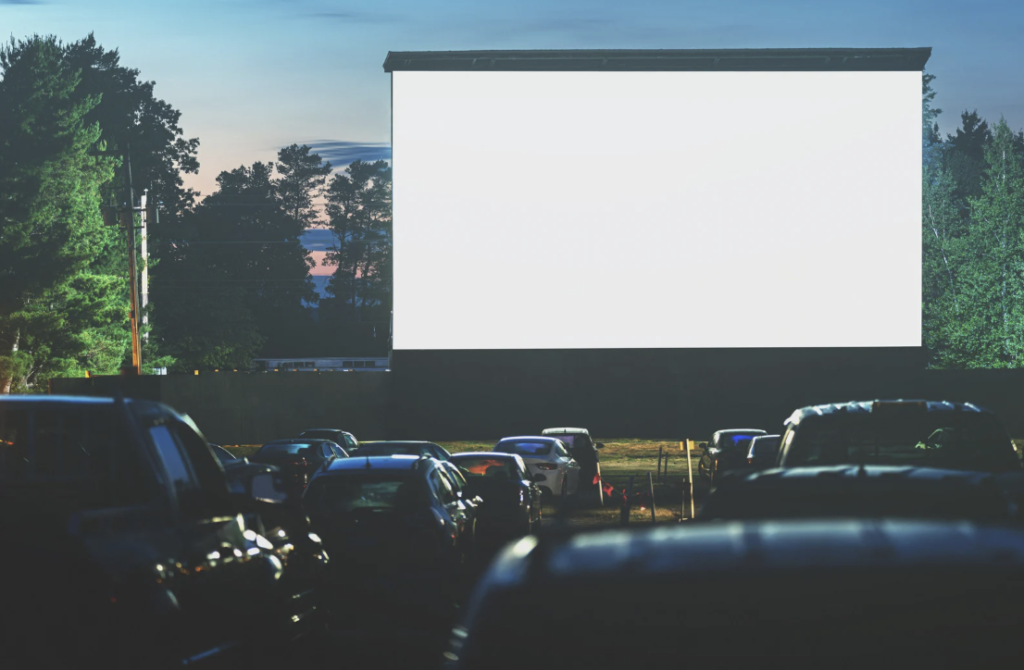
This might look like going to a live event and simply enjoying the atmosphere. Watching a movie without checking your phone. Listening to music and letting yourself fully focus on it.
These experiences may seem simple, but they can have a meaningful impact.
In some forms of therapeutic work — including approaches where psychedelic therapy can support emotional healing — there is also an emphasis on allowing experiences to unfold rather than controlling them.
Learning to receive rather than direct can be an important part of that process.
Giving Yourself Permission to Enjoy
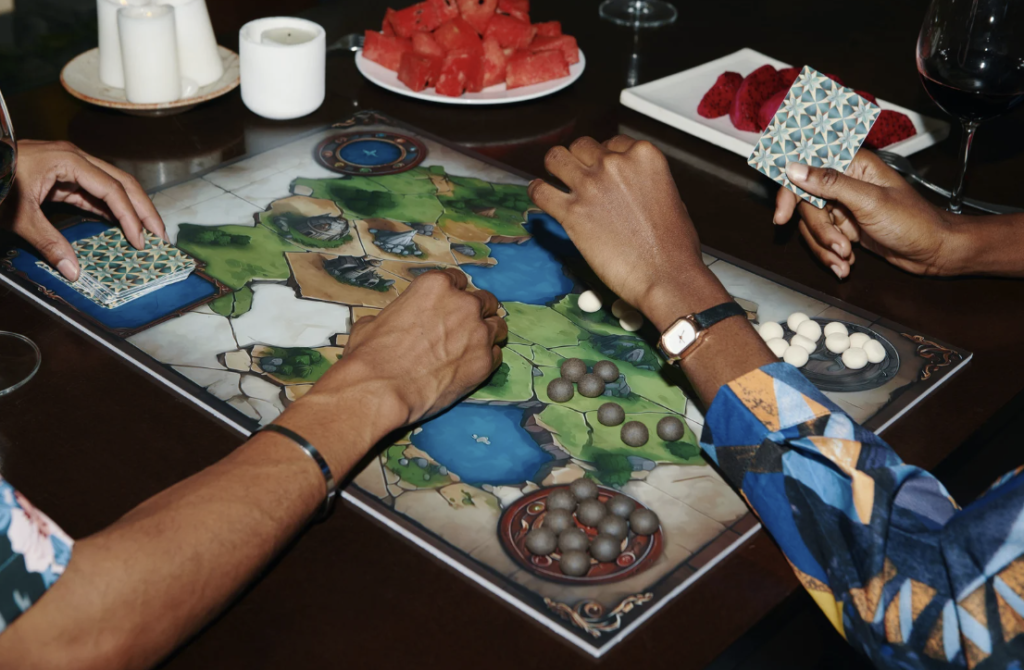
One of the biggest shifts is simply giving yourself permission.
Permission watch something just because it is fun.
To attend something without needing to network.
To enjoy an experience without turning it into growth.
The importance of entertainment for mental health is not about escaping life. It is about creating moments where the mind and body can rest.
A Simple Experiment
This week, choose one experience where your only role is to enjoy it.
Watch something without multitasking.
Listen to music without distraction.
Attend something and let yourself be fully present.
Notice how it feels to step out of constant doing and into simply receiving.
Sometimes the most restorative form of play is letting yourself be entertained.